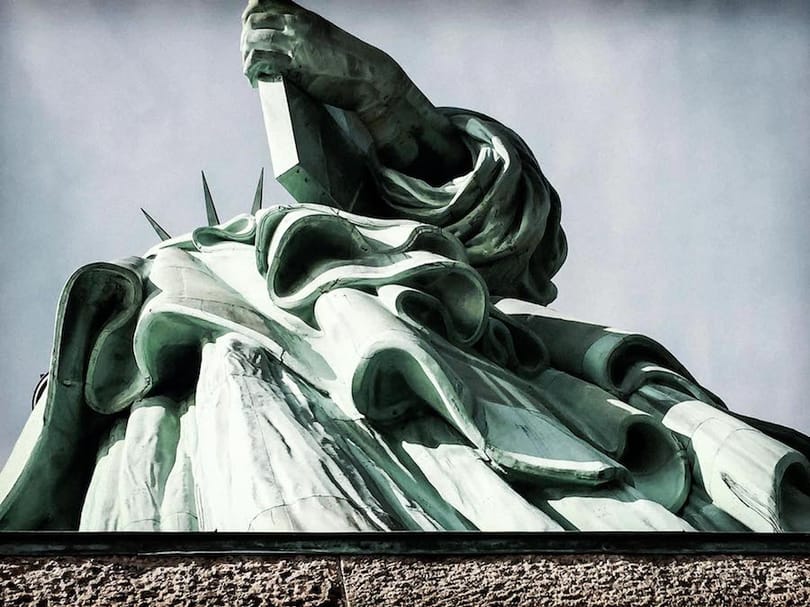
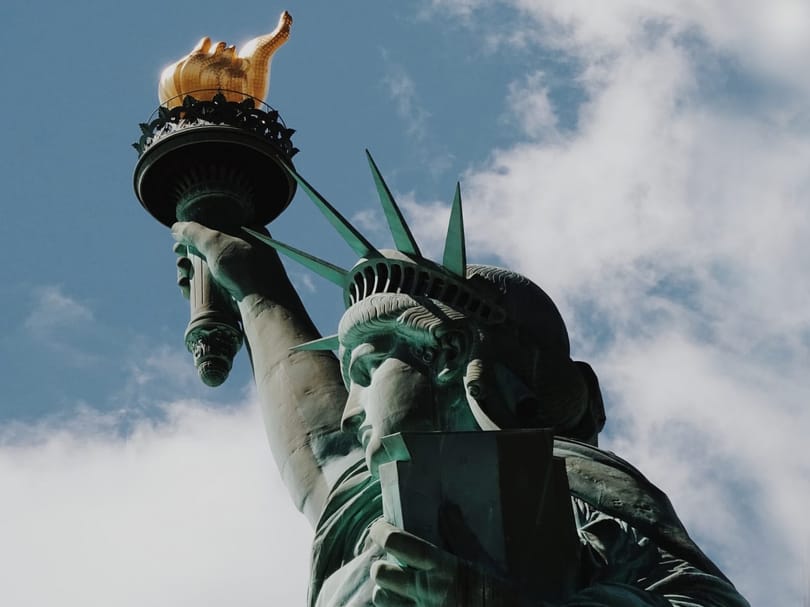
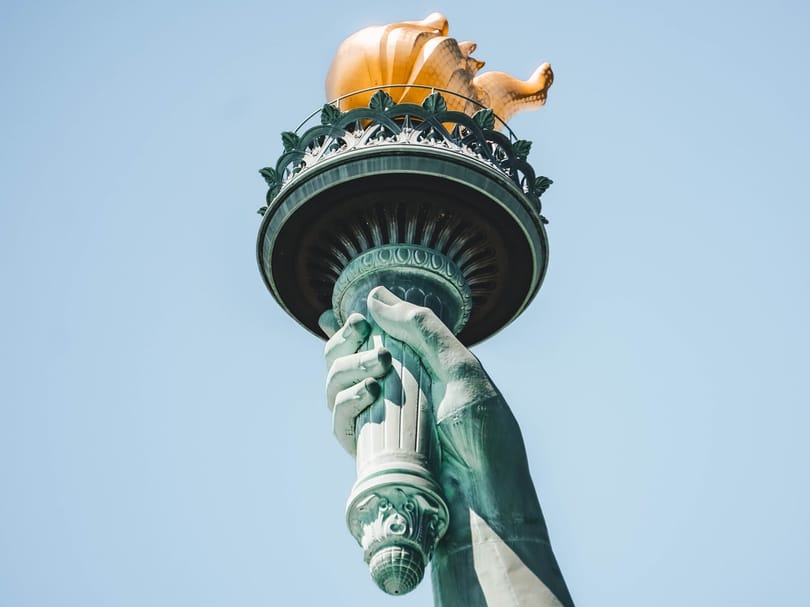
The meaning behind the statue is significant and so is its massive size. At a striking 305 feet tall, Lady Liberty took a long time to build and careful planning when designing.
When was the Statue of Liberty built?
The idea for the statue’s initial design originated in 1865 from the French architect, Édouard de Laboulaye. The Statue of Liberty was later built in 1884 by French sculptor Frédéric-Auguste Bartholdi, who built it in pieces to make it more accessible for working on it.
While the statue was being built, the large head and torch were put on display in both France and America in an effort to raise money for its completion.
Small “statues of liberty” for planning
Planning for the finished statue took a great deal of organizing and perfecting, which is why the designer made three small versions of the statue to get things started.
The first miniature statue was made of clay and only about 4 feet high while the second was made of plaster and slightly bigger at almost 8 feet. The third version of the statue was larger than the other two with a height of around 33 feet but only a quarter of the size of the Lady Liberty we know today.
Repoussé method
The Statue of Liberty is made out of sheets of copper that are only 2.4 millimeters, thinner than two American pennies combined together.
Something called the repoussé method was used when building the statue. In this method, a wooden mold was built against the plaster model which helped sculpt the copper pieces accordingly.
Fun fact: Many may not know the statue is made of copper because of its green color. Over time, the air and rain oxidized the metal, changing it from the copper brown it was before to the light green we know now.
Here’s how the Statue of Liberty was built